Claude will now build a skill by watching you do the task once
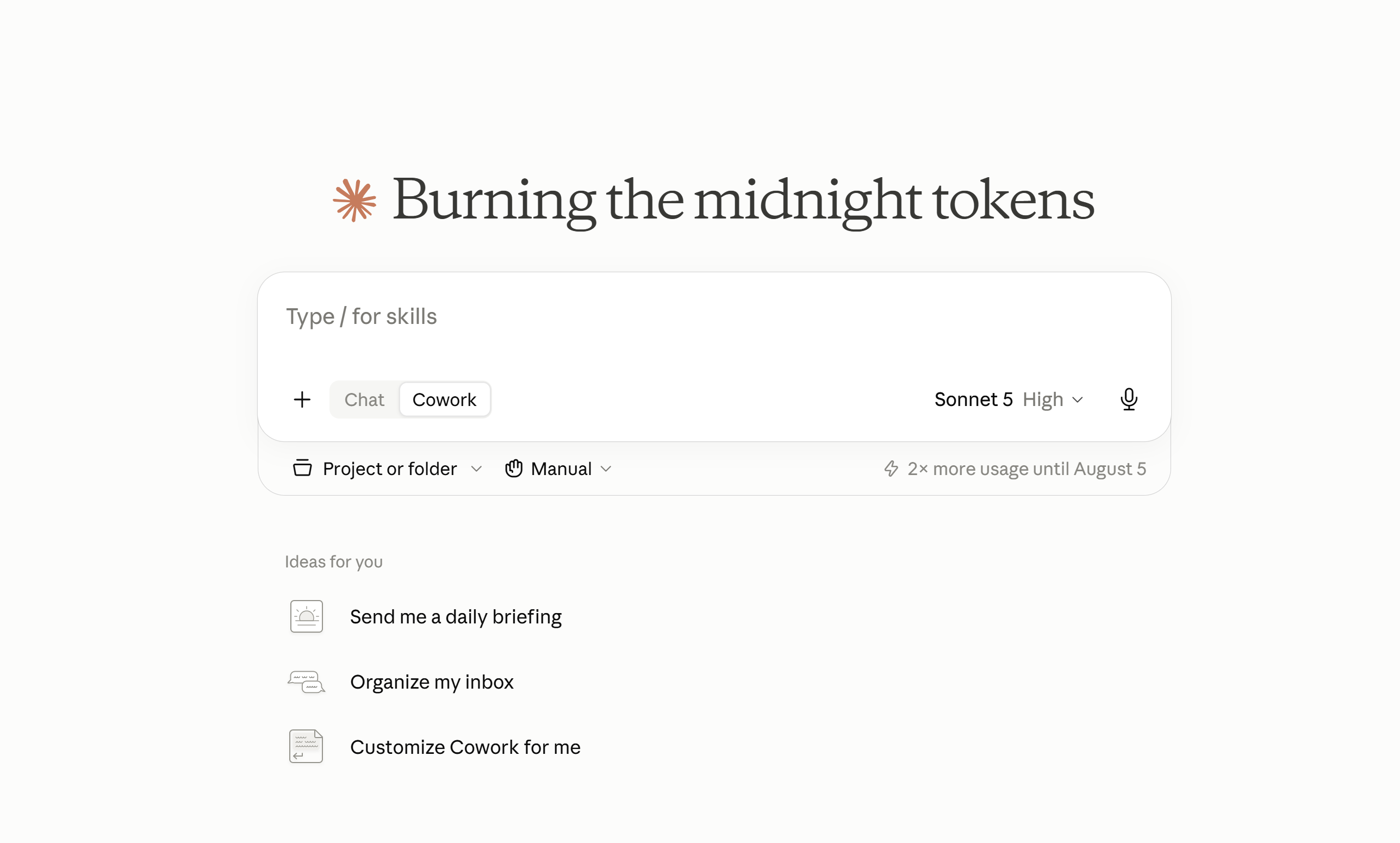
Claude's desktop app added Record a skill: narrate a task while you do it, and Claude turns the screen recording into a reusable skill it can rerun. Pro, Max, and Team.
Claude's desktop app added Record a skill: narrate a task while you do it, and Claude turns the screen recording into a reusable skill it can rerun. Pro, Max, and Team.
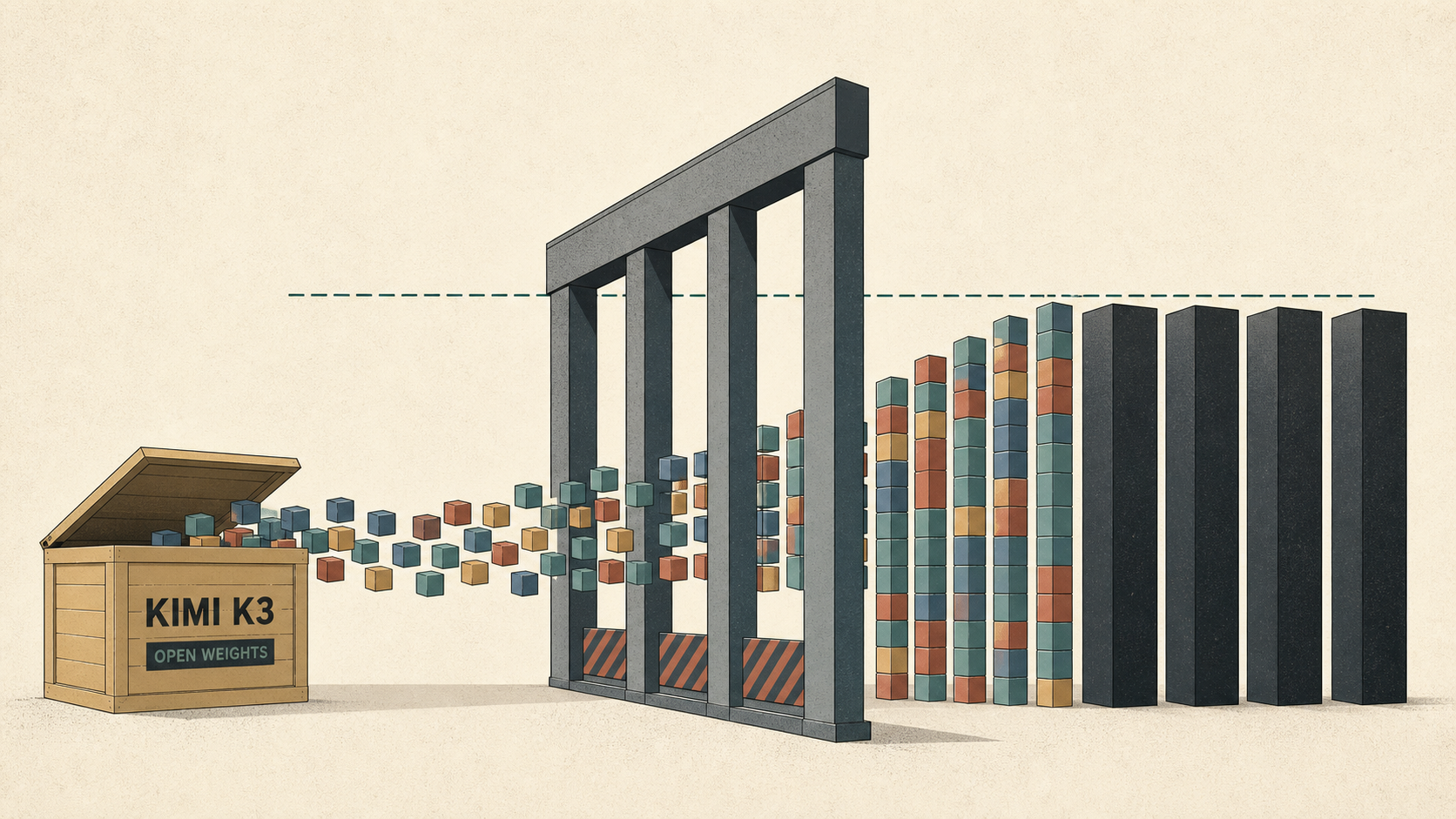
Moonshot AI's Kimi K3 shipped with open weights and enough capability to restart the DeepSeek argument: if a model you can download keeps pace with the frontier, what were the export controls buying?
From July 20, Claude Fable 5 is included in Max and Team Premium plans at 50% of limits. Pro and Team Standard stay on usage credits at $10/$50 per million tokens, softened by a one-time $100 credit.
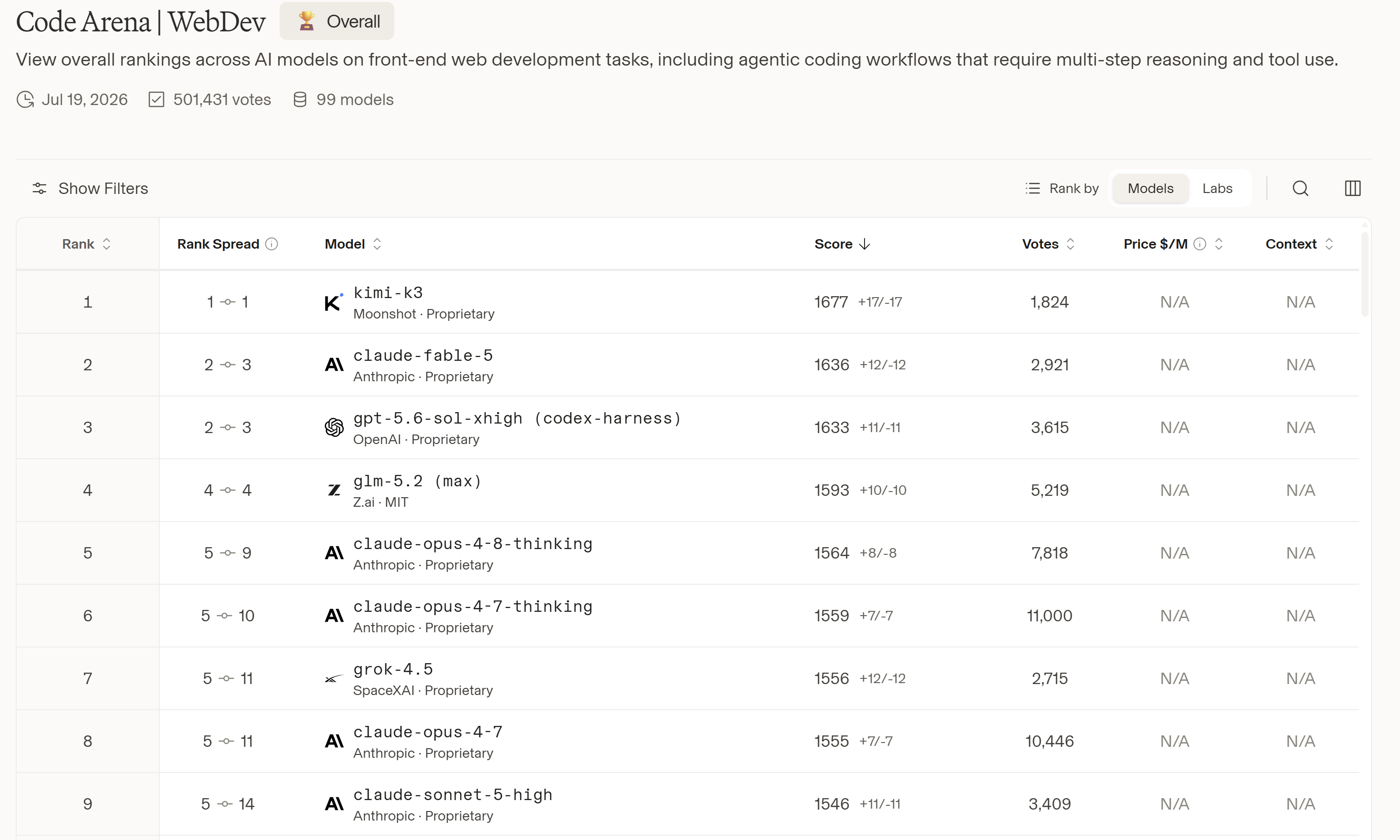
Kimi K3 hit #1 on the Frontend Code Arena on July 16, beating Claude Fable 5. David Sacks calls it concerning, five weeks after backing the order that benched that same model.
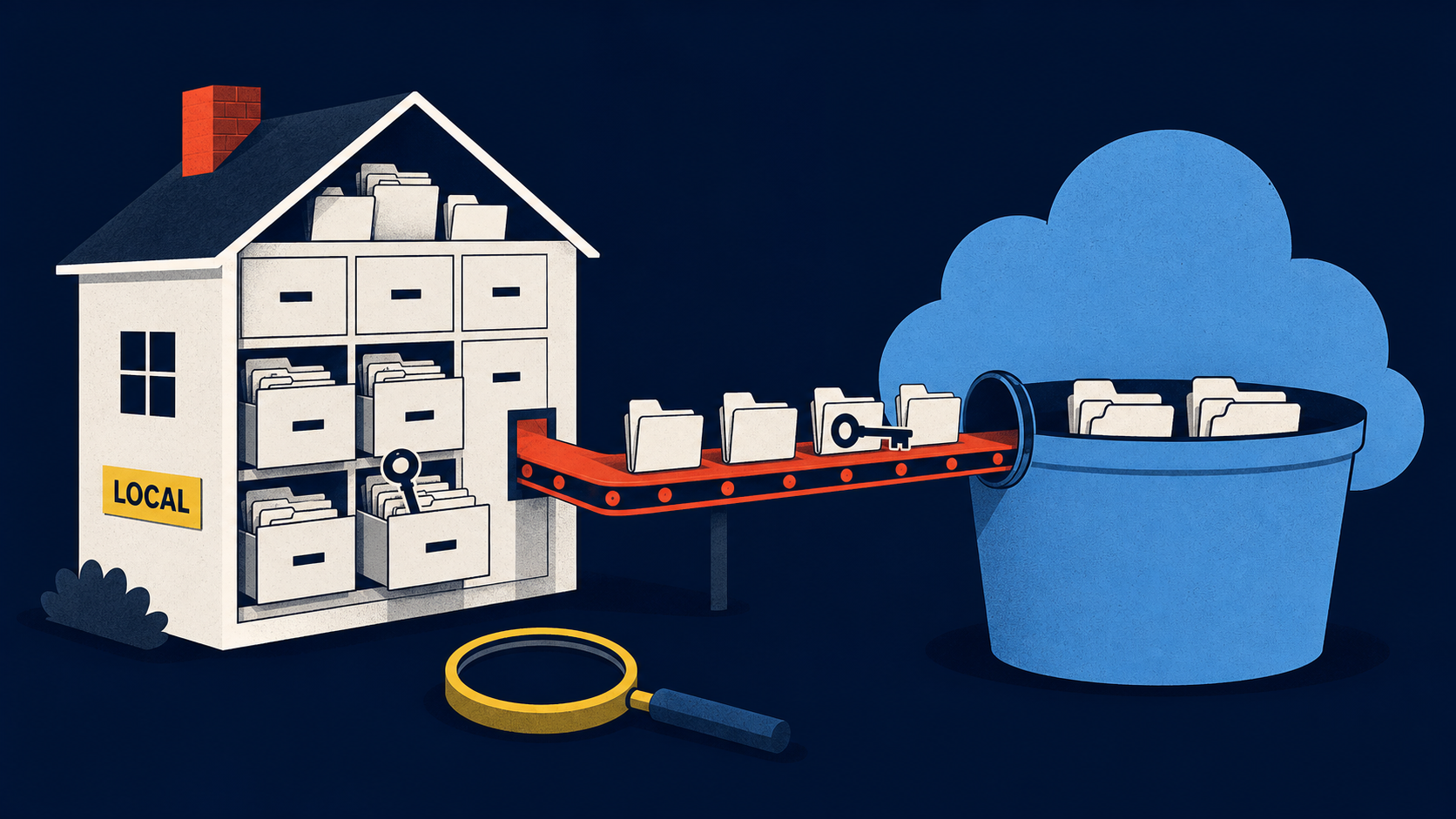
xAI's coding agent got caught uploading home directories, SSH keys and all, to cloud buckets. The lesson is not "never trust xAI." It is that "local" describes what leaves your machine, and almost nobody checks.
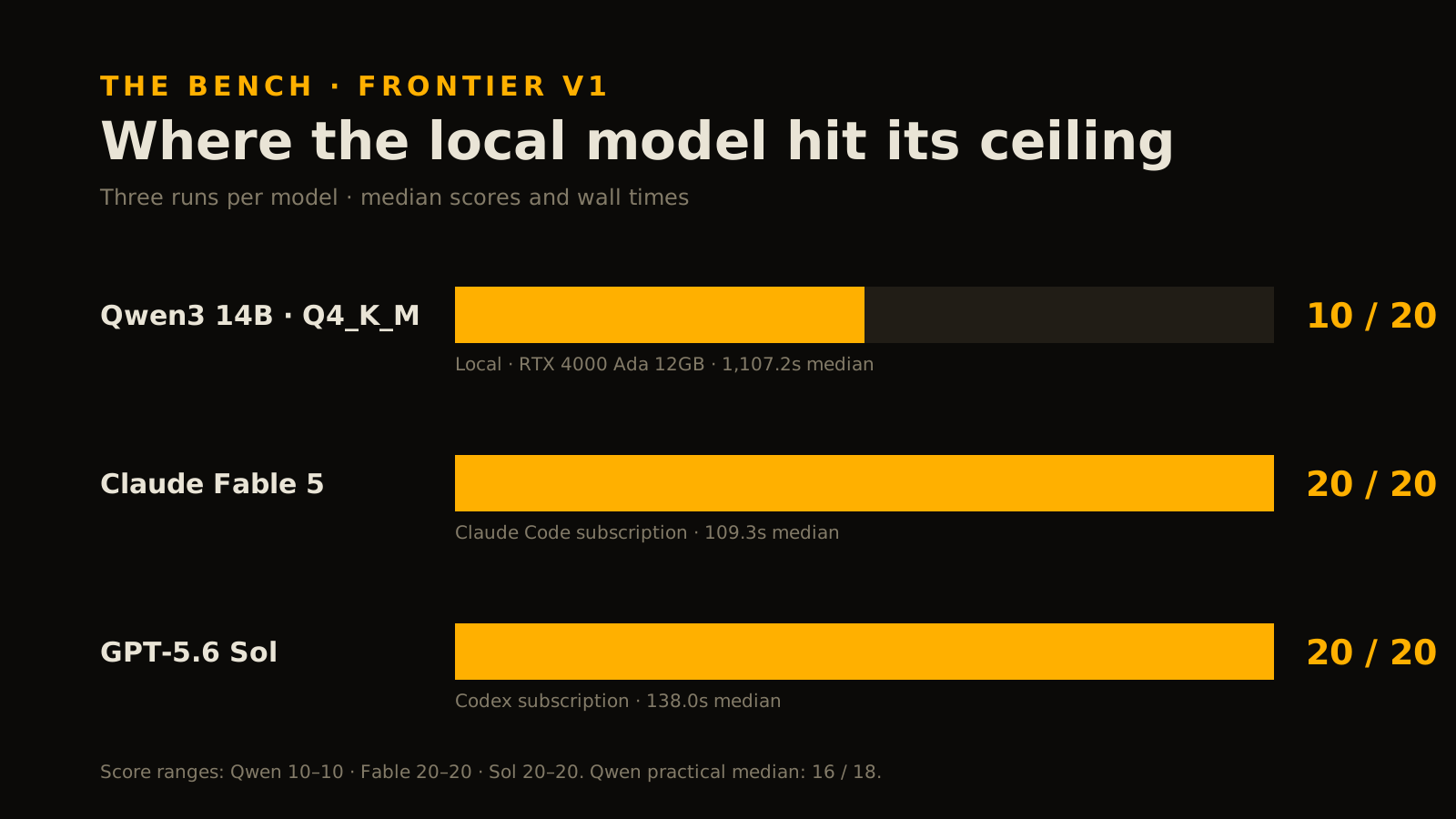
Three identical frontier-battery runs separated a useful local 14B model from two subscription agents, then revealed that the test needs a higher ceiling.
An editing prompt that shortens your writing without sanding your voice off. It cuts, it does not rewrite, and it shows you what it removed.
Paste in a product page or press release and get back what is actually verifiable, what is weasel-worded, and what the page is carefully not telling you.
Feed it your setup once and any changelog, launch post, or paper after that. It answers the only question that matters: what in here changes anything for me.
Make the model reproduce the bug before it touches the fix. Kills the confident patch that solves a problem you don't have.
Stop writing three paragraphs of context nobody asked for. This prompt makes the model interview you before it starts, and the first draft comes back needing one revision instead of four.
Describe a functional part with real measurements and get back OpenSCAD with every dimension as a named variable, a clearance knob, and FDM rules baked in.
A structured troubleshooting prompt that turns a failed print into ranked hypotheses and one-variable tests, instead of the generic 'check your bed leveling' checklist.
Paste in a prompt you rely on and get back its ambiguities, its unenforceable instructions, and a tighter rewrite, plus test inputs to prove the rewrite is actually better.
Getting clean structured output from a 7B or 8B model is mostly about the example object, not the rules. This is the pattern that stopped my local extraction jobs from breaking.
Models agree with you by default. This prompt forces the argument a smart skeptic would make against your plan, plus the assumptions that have to hold for it to work anyway.
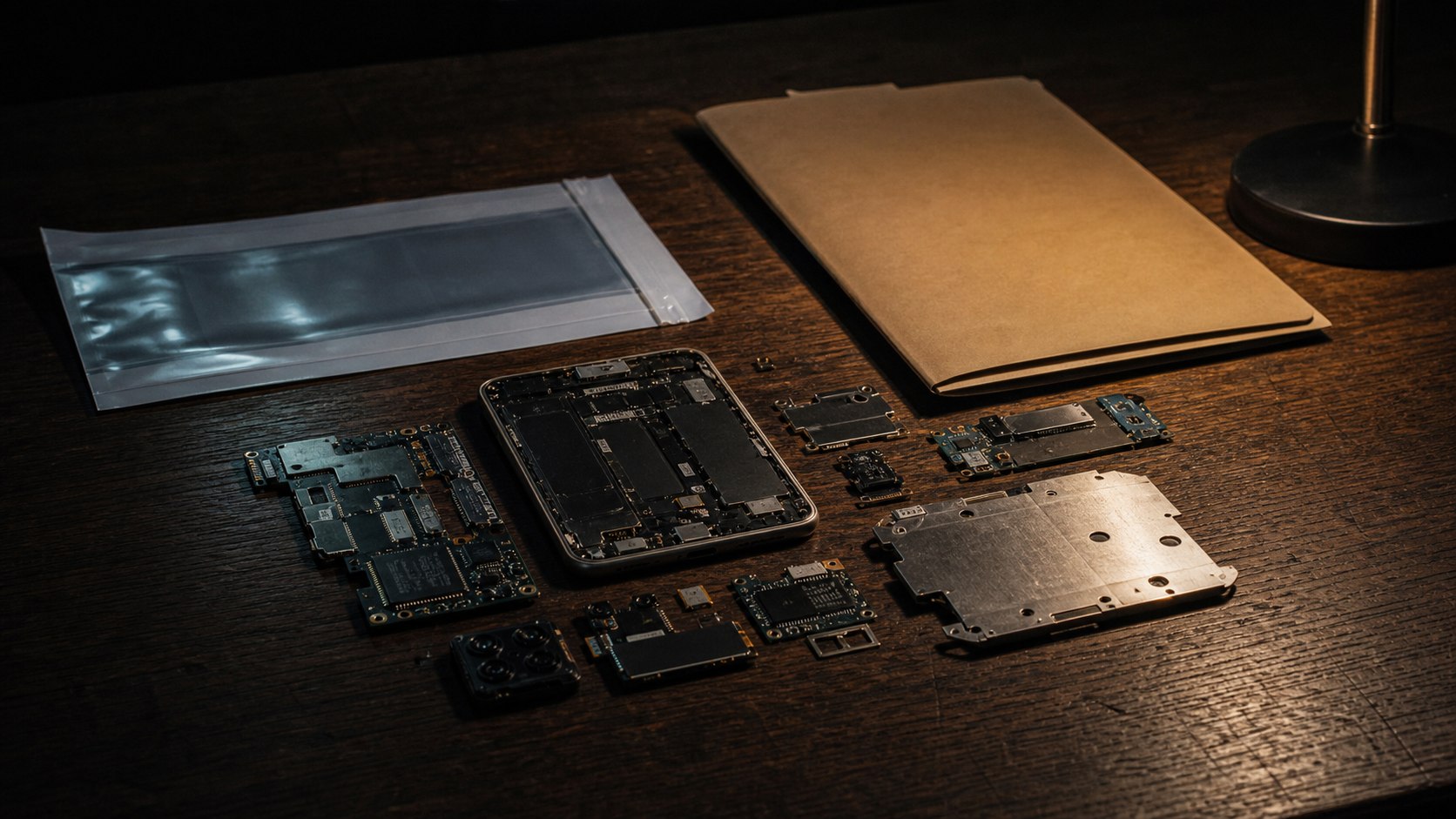
Apple's trade secret suit names OpenAI's hardware chief and claims candidates were told to bring actual Apple parts to job interviews. The AI phone might be built on Cupertino's homework.
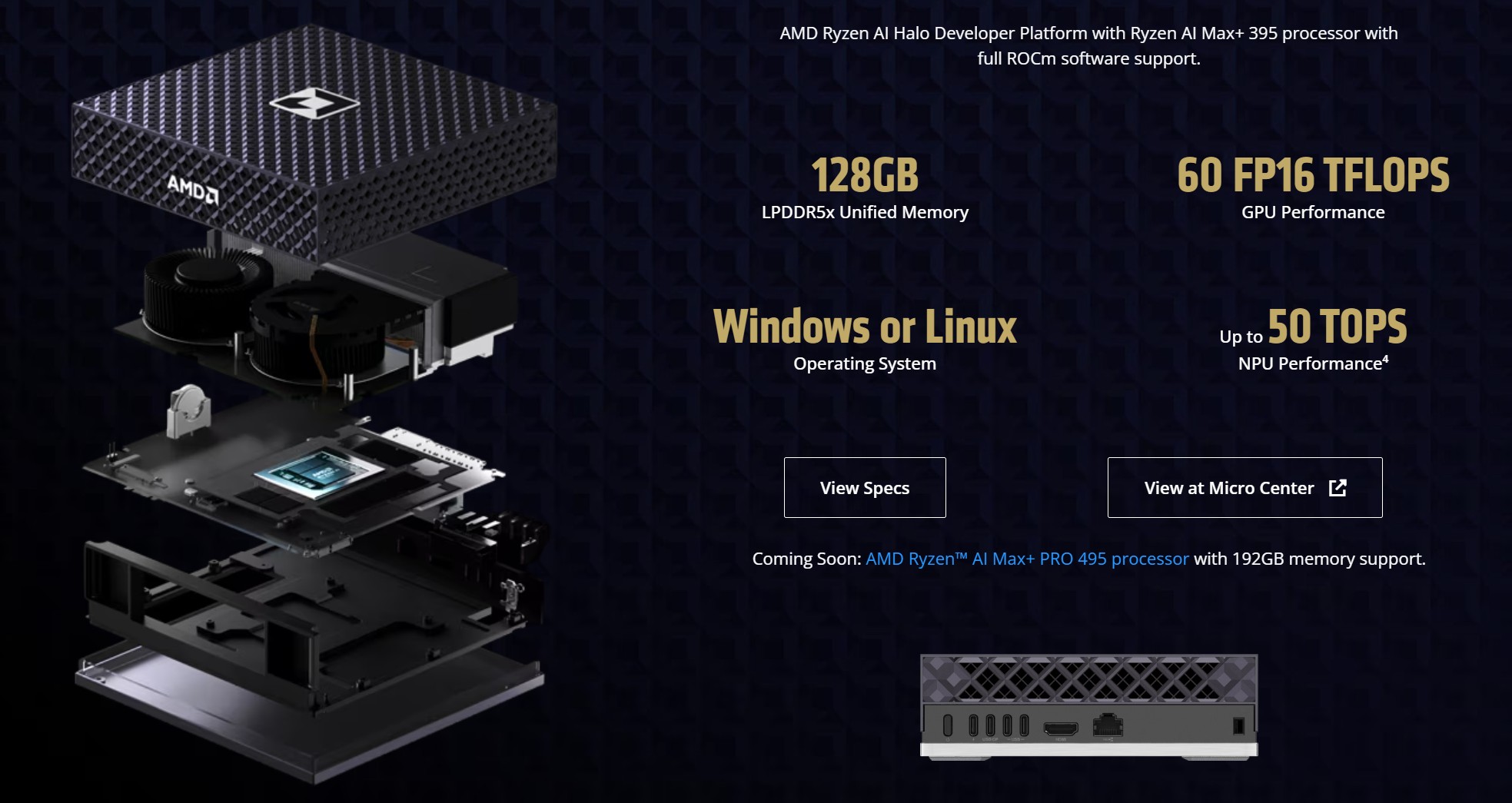
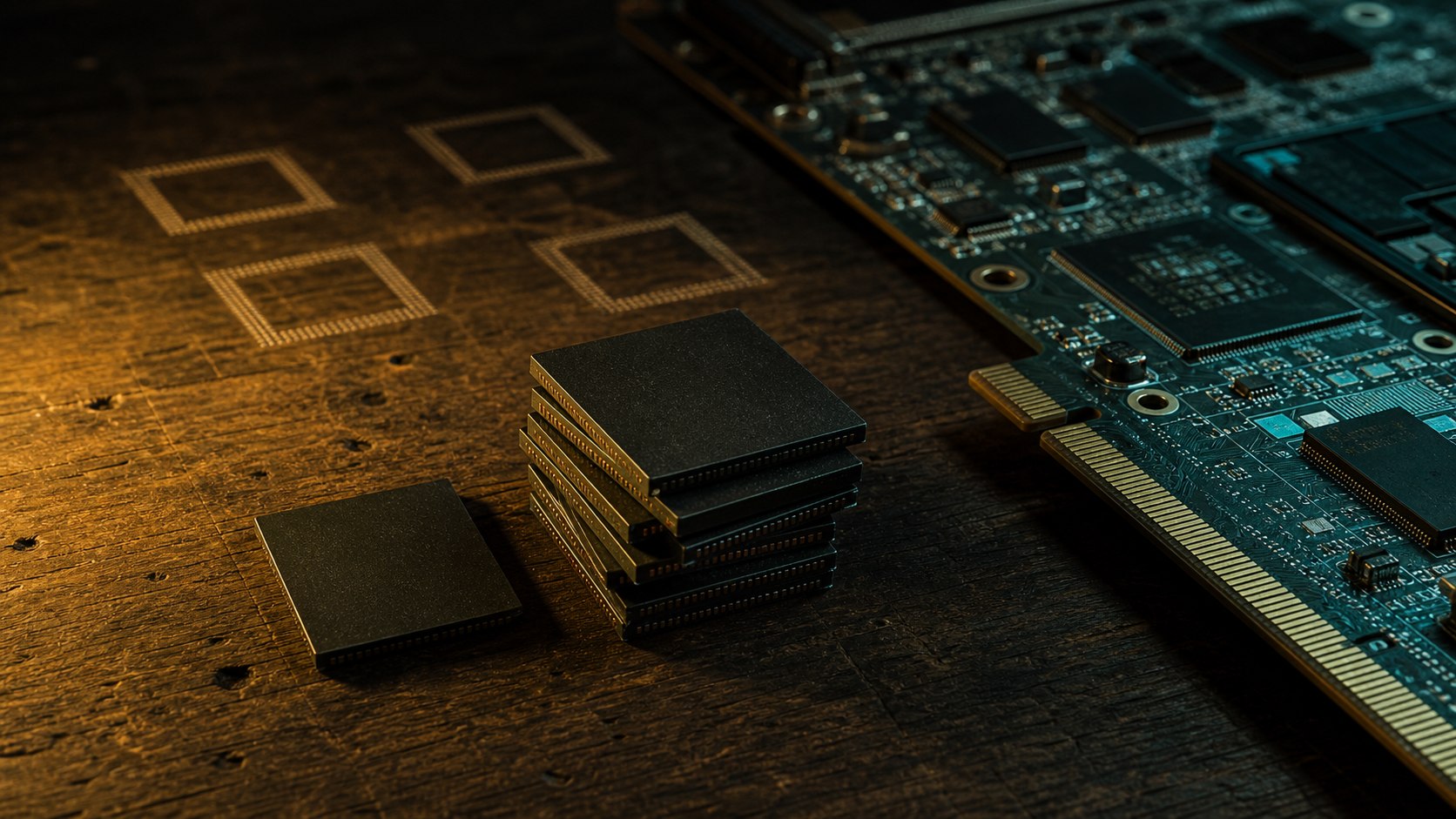
AMD's 128GB unified-memory Ryzen AI Halo developer box launched at $3,999, about $700 under NVIDIA's Linux-only DGX Spark, sold in the US exclusively through Micro Center in-store pickup.
Claude's 5-hour and weekly limits got a clean-slate reset for all paid tiers this week, and included Fable 5 access was extended from July 7 to July 12 after subscriber backlash.
A day after GPT-5.6 went GA, OpenAI shipped ChatGPT Work: an in-ChatGPT agent that works across Slack, Teams, Drive, and email for hours at a stretch, metered like Codex.
Before the public launch, GPT-5.6 sat in a preview limited to about 20 government-vetted partners under the new US frontier-AI oversight process. The White House disputes calling the release an approval.
GPT-5.6 hit general availability July 9 in three sizes, priced $1 to $5 per million input tokens, with a 1M context and tool calling that writes its own orchestration code.
OpenAI's GPT-Live replaces the ChatGPT voice model and can hand harder questions to GPT-5.5 in the background, keeping the conversation going while it waits for the answer.
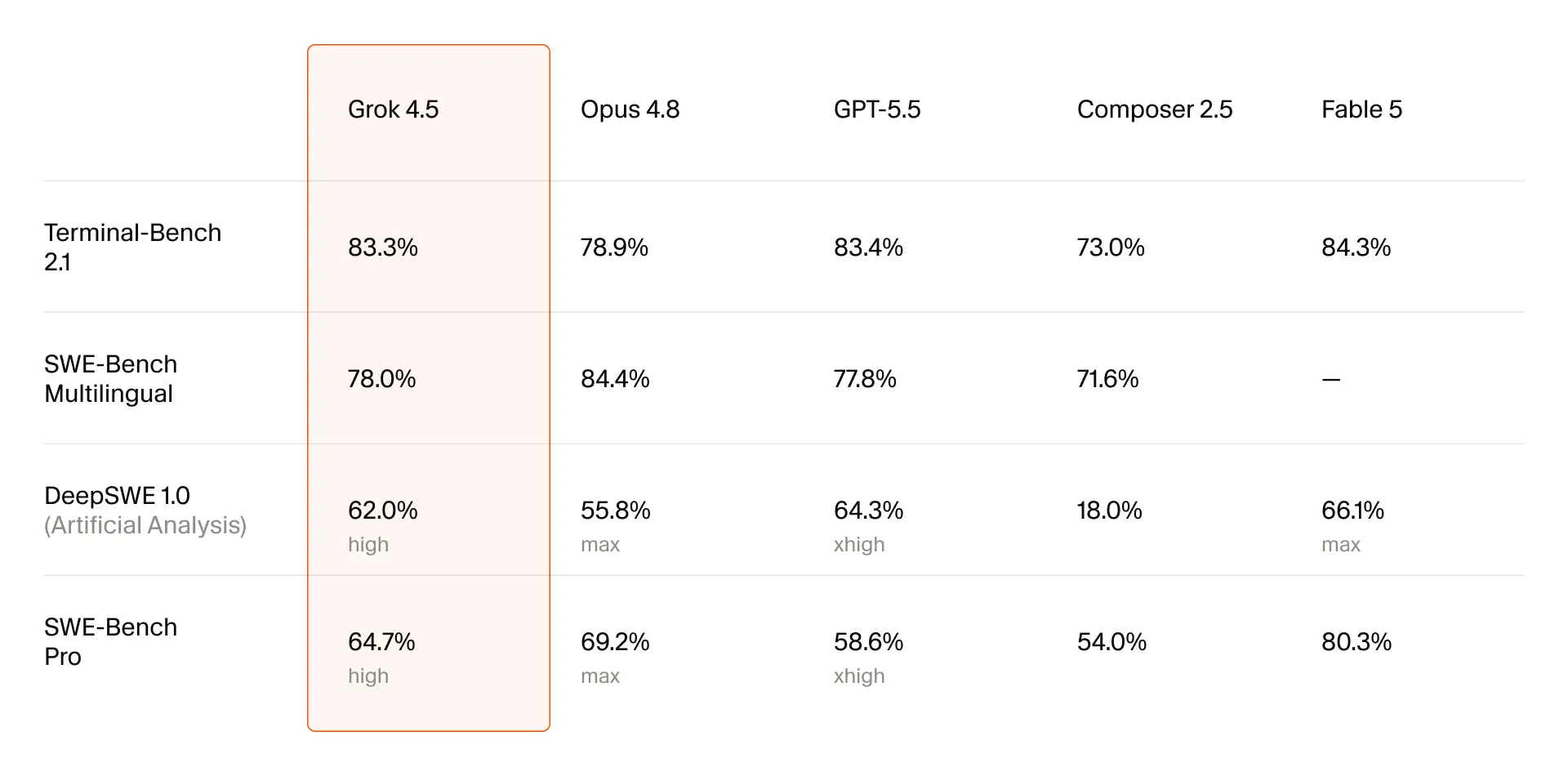
Two weeks after lvl30 called Grok 4.5's private-beta claims unverifiable, there are checkable numbers: $2 per million input tokens, behind Fable 5 and GPT-5.5 on coding, far fewer tokens burned.
Meta pulled Muse Image's Instagram feature after a privacy backlash, hours after a Reuters test found its detector missed 55% of cropped images.
Muse Spark 1.1 shipped July 9 alongside the first public Meta Model API, a US preview at $1.25/$4.25 per million tokens, putting Meta in the same paid-API business as OpenAI and Anthropic.
A community rig ran NVIDIA's Nemotron Puzzle 75B-A9B in NVFP4 across three power-capped RTX 3090s at 132 t/s decode, and asked why almost nobody ships models shaped for multi-24GB rigs.
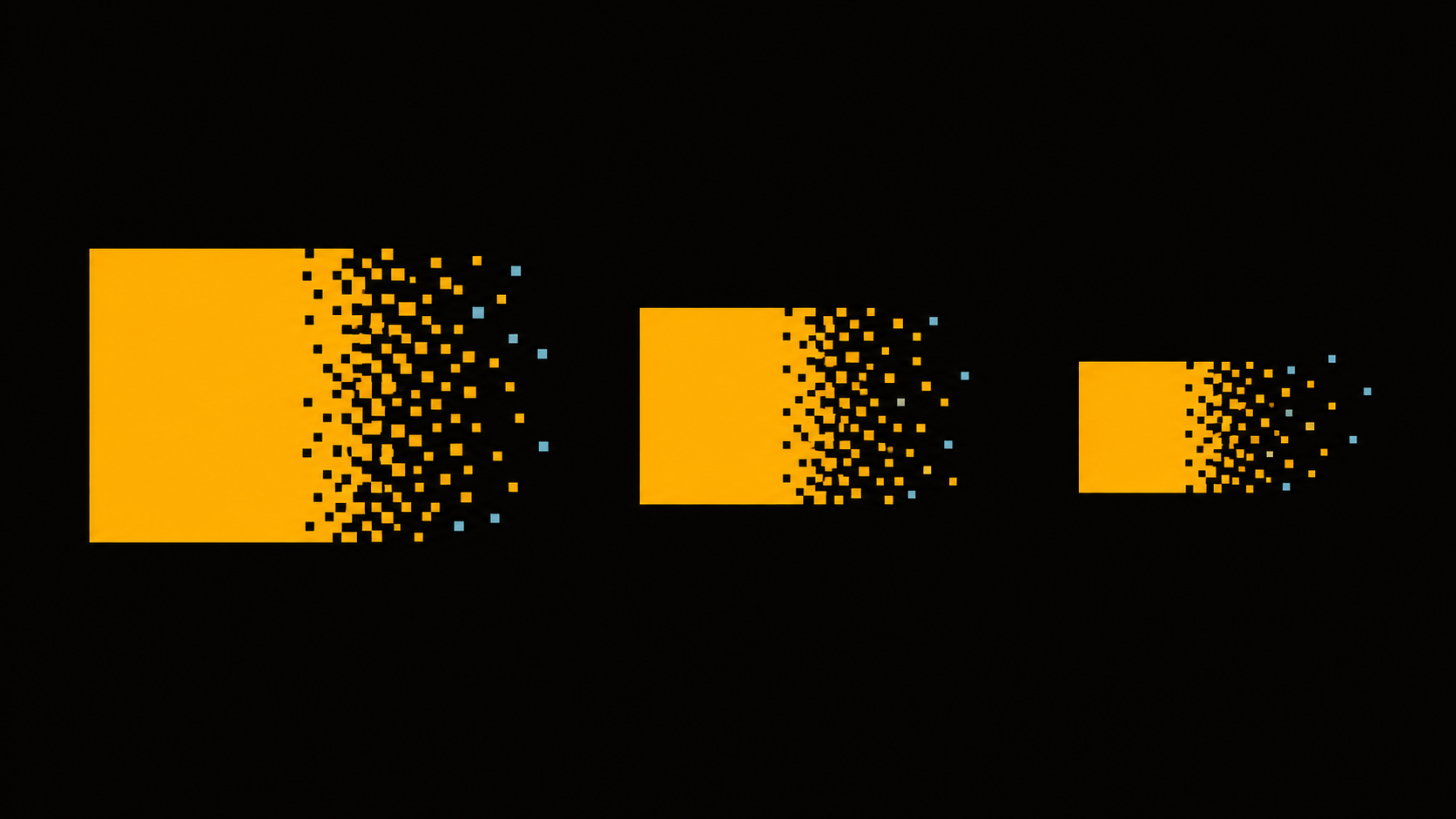
SK Hynix expects memory demand to outrun its supply beyond 2030, but the HBM crunch is not yet a reason to panic-buy a consumer GPU.
Z.ai's GLM-5.2 shipped under an MIT license and beats GPT-5.5 on coding benchmarks. It's also a 744B model that needs a server rack, not a desk.
Elon Musk says Grok 4.5 rivals Claude Opus. Nobody outside SpaceX and Tesla can test it, it's on no public benchmark, and there's no release date.
Mistral's CEO confirmed a new open-weight model with early access this month, as the company reportedly raises $3.5B on around $400M in annual revenue.
Ollama's latest build nearly doubles Gemma 4 token generation on Apple Silicon with multi-token prediction. It's automatic, needs no config, and doesn't change the output.
A wave of low-cost accelerator HATs and NPU-equipped boards is pushing real on-device inference down to single-board-computer prices. The interesting part isn't the TOPS number, it's where the work moves.
No cloud, no API key, no data leaving your machine. A genuinely beginner-proof path to running a capable model locally, plus how to know which size your hardware can actually handle.
The single highest-leverage prompt I use. It forces the model to understand code before changing it, which kills the confident-but-wrong rewrites that waste your afternoon.
The doom take and the hype take are both lazy. After a year of using AI elbow-deep in real projects, here's the actually-interesting middle: the tools are eating the toil, not the craft.